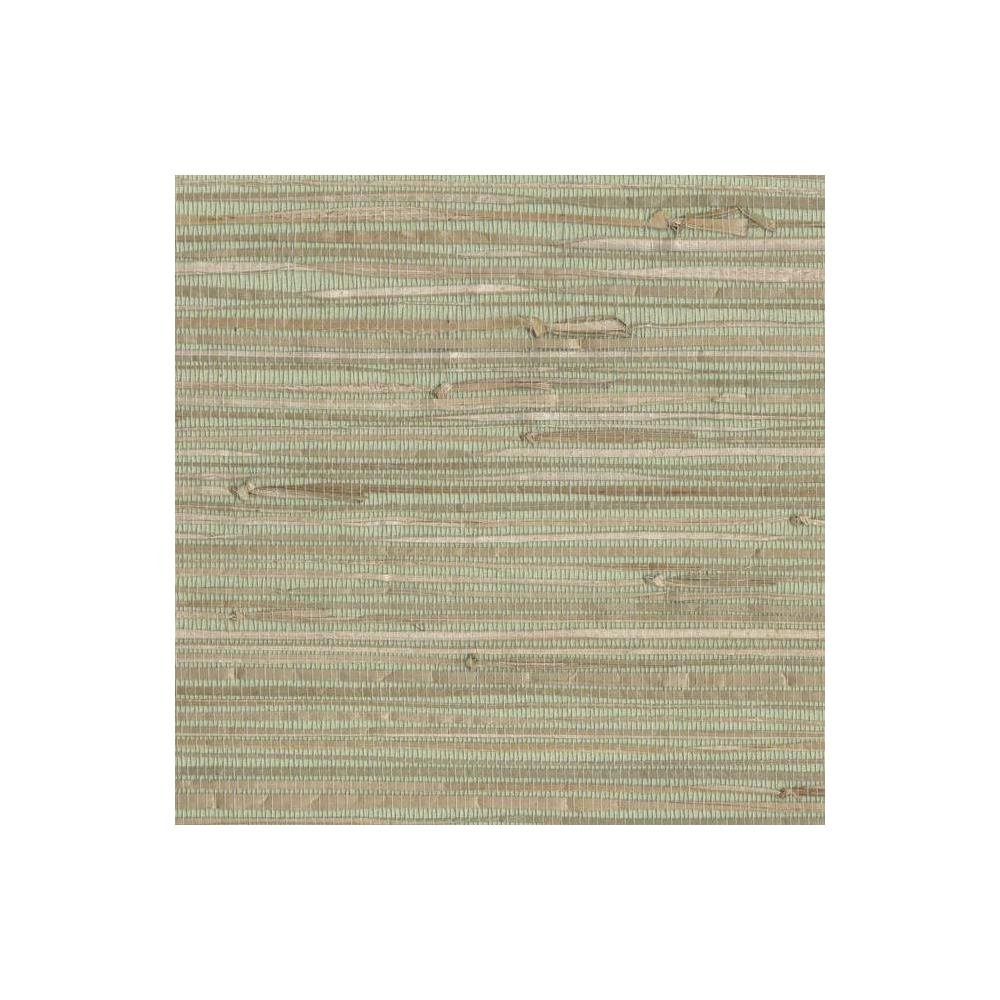
Real grasscloth wallpaper is exactly what it sounds like: natural plant fibers — most often jute, sisal, seagrass, or woven grass — twisted into yarn and hand-woven onto a paper backing, then shipped to you in rolls. The result is a wall surface with genuine, irregular texture that shifts visually depending on light, time of day, and viewing angle. No printed paper or vinyl can replicate that quality, which is why designers keep coming back to the real thing even as the price premium over imitations holds firm. The trade-off is real, too: grasscloth is porous, can’t be wiped clean easily, and shows seams more visibly than standard wallpaper. This guide walks through three brands serious buyers are actively comparing right now — York Wallcoverings, Kenneth James, and Ansehan — and gives you a clear decision framework before you write the check or place the trade order.
If you’ve already installed grasscloth before and know your way around a seam allowance, skip ahead to the brand comparisons. If you’re specifying it for a client for the first time, start here and read every word.
| EDITOR'S PICK[York Wallcoverings NZ0786 Grass…](https://www.amazon.com/dp/B00LP0OAW8?tag=greenflower20-20) | Mid-tier[Kenneth James 2693-89472 Seiju…](https://www.amazon.com/dp/B009M8SXAU?tag=greenflower20-20) | Budget pick[Norwall WF36303 Grasscloth Wall…](https://www.amazon.com/dp/B07895TY7W?tag=greenflower20-20) | |
|---|---|---|---|
| Roll size | — | 36" × 24' | — |
| Material | River grass | Seiju wheat | — |
| Color count | 5 | — | — |
| Price | $144.95 | $101.50 | $29.39 |
| See on Amazon → | See on Amazon → | See on Amazon → |
What You’re Actually Buying (and What Can Go Wrong)
Before the brand comparison makes sense, you need to understand two things that will define whether this project succeeds or becomes an expensive lesson.
Grasscloth shows seams. Because the fibers are natural and hand-woven, no two strips are perfectly identical in shade or density. At every seam, that variation becomes visible — especially in raking light, meaning sunlight or a lamp hitting the wall at a low angle. This is not a defect. Architectural Digest, in their editorial piece “The Complete Guide to Grasscloth Wallpaper,” describes this characteristic as intrinsic to the material and recommends clients approve a sample installation in the actual room before proceeding with a full order. If your client expects zero visible seams, grasscloth is the wrong product regardless of brand.
Dye lot variation is significant and non-negotiable. Natural fibers absorb dye unevenly across production batches. House Beautiful, in their coverage piece “Everything You Need to Know Before Installing Grasscloth,” notes that even rolls from the same dye lot can vary enough to be noticeable side by side. The practical rule: order all rolls for a single room in one purchase, from the same dye lot, and add your overage before you order — not after. The Spruce’s installation guide, “Grasscloth Wallpaper: Pros, Cons, and Installation Tips,” recommends a minimum 15% overage on top of your measured square footage; for rooms with multiple windows, doors, or complex angles, 20–25% is more realistic.
By the numbers:
- Standard grasscloth roll: roughly 36 sq ft (varies by brand — confirm before ordering)
- Recommended overage: 15–25% above net wall area
- Seam visibility risk: highest in east/west-facing rooms with direct morning or afternoon light
- Average pattern repeat on natural grasscloth: none (random weave), but vertical alignment still requires careful strip matching
These aren’t scare tactics — they’re the math that separates a smooth install from a callback.
Three Brands, Three Price Points: A Detailed Comparison
The following sections evaluate York Wallcoverings, Kenneth James, and Ansehan across the factors that matter most in a real specification decision: price, lead time, weave character, color range, and installer experience. Each section ends with a tier marker reflecting where that brand sits in the market.
York Wallcoverings: The Safe, Scalable Choice for Volume Buyers
York is a 120-year-old Pennsylvania manufacturer and one of the most widely distributed wallcovering brands in North America. Their grasscloth lines — particularly the Natural Resource and Grasscloth & More collections — are stocked or fast-shipped through most major trade distributors, which matters enormously when you’re working against a contractor’s schedule.
What the specs show: York’s grasscloth offerings in the Natural Resource collection are priced in the $80–$130 per single roll range at trade pricing (retail runs somewhat higher), making them the most accessible true-grasscloth option in this comparison. Rolls are typically sold in double-roll bolts of approximately 72 sq ft. The backing is a standard paper substrate — meaning wall prep requirements are the same as any traditional wallpaper: clean, primed, ideally skim-coated surface.
Where York wins: Consistency and availability. Because York produces at scale with tightly managed quality control, installers consistently report that dye lot variation within a single order is more predictable than smaller-batch producers. Wallpaper Direct’s editorial notes on York grasscloth lines highlight their installer-friendly paste-the-wall application guidance as a particular strength for teams who work across multiple brands in a single week. If you’re specifying grasscloth for a client who needs the job done on a defined timeline without special-order lead times, York is your lowest-risk call.
Where York falls short: The weave on York’s entry grasscloth lines is finer and more uniform than artisanal alternatives — which reads as slightly less distinctive up close. Design-savvy clients who’ve seen high-end grasscloth in hospitality settings may notice the difference. York’s colorway range is also more conventional: neutral tawns, warm whites, and natural tones dominate. If you need a saturated or unusual color, you’ll look elsewhere.
Best fit: A dining room, bedroom, or entryway project on a moderate budget with a contractor ready to go within two to three weeks and a client who wants real grasscloth texture without a long lead time or premium price point.
Norwall
$29.39
In stock on Amazon
Check price on AmazonKenneth James: Mid-Premium with Designer-Forward Colorways
Kenneth James is a California-based brand that has carved out a strong position in the $120–$200 per roll range by offering grasscloth and seagrass wallcoverings in a wider, more curated palette than mass-market alternatives. Their Seabrook Designs partnership has expanded distribution, and the brand is now available through several major online design retailers in addition to trade showrooms.
What the specs show: Kenneth James grasscloth is typically sold in double-roll bolts. The weave options span from fine sisal-look textures to chunkier jute weaves, giving you more material-character choices within a single brand. Product information for their Jute Weave and Natural Texture lines indicates a paper backing with standard paste application.
Where Kenneth James wins: Color range and aesthetic intentionality. Apartment Therapy, in their feature “Is Grasscloth Wallpaper Worth It?,” specifically called out Kenneth James for bringing non-neutral colorways — deep ocean blues, muted sage greens, warm terracottas — to natural grasscloth without resorting to heavy dye treatment that obscures the fiber texture. If your client wants grasscloth that does design work beyond “warm neutral backdrop,” this is where to look.
Across trade installer feedback, Kenneth James rolls are noted for trimming cleanly and providing a backing weight adequate for most residential walls without additional lining paper.
Where Kenneth James falls short: Quality control receives more mixed feedback than York’s at volume. Occasional dye lot inconsistency between orders placed weeks apart is the most commonly noted issue — which reinforces the rule of ordering everything at once. Lead times through some distributors can stretch to three to four weeks for less common colorways, so plan accordingly.
Best fit: A client with a specific palette in mind that standard grasscloth neutrals won’t serve, a primary bedroom or living room where the wall covering is meant to be noticed, and sufficient lead time to order all rolls in a single purchase.
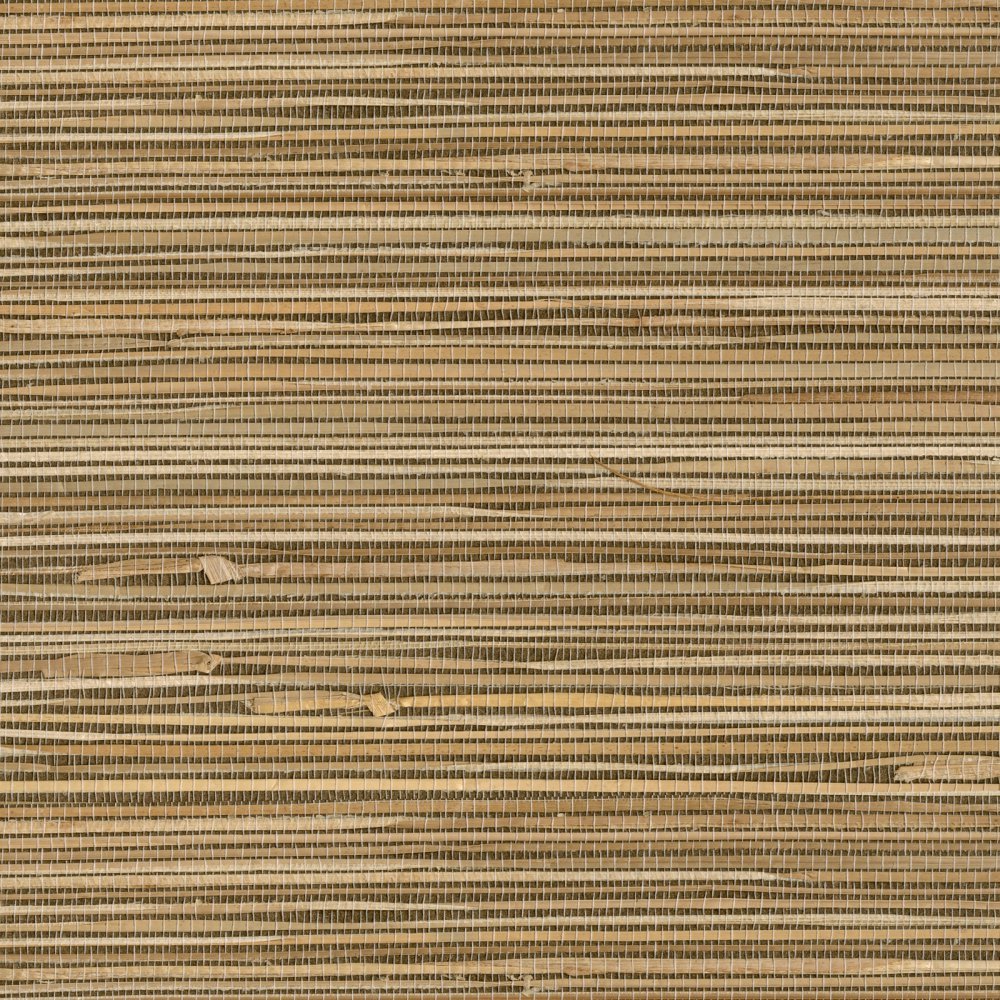
Kenneth
$101.50
In stock on Amazon
Check price on AmazonAnsehan: Artisanal Sourcing for High-Specification Projects
Ansehan occupies a different position in this comparison — smaller production runs, direct sourcing from Southeast Asian weaving workshops, and a product explicitly positioned for designers who want to be able to tell a story about where the material came from. Pricing runs $180–$300+ per roll depending on weave and colorway, and the brand is sold primarily through trade showrooms and by direct inquiry.
What the specs show: Ansehan’s grasscloth lines are characterized by heavier, irregular weaves — jute and abaca blends appear across their catalog — woven in larger repeating patterns that give walls a more artisanal, distinctly handmade quality. The backing weight is typically heavier than mass-market options, which installers generally find beneficial on older plaster walls with minor surface imperfections, since the heavier backing bridges small irregularities better. Published sourcing notes from Ansehan describe small-batch production with longer lead times: eight to twelve weeks is standard for in-stock colorways, with custom colorway requests running longer still.
Where Ansehan wins: Material authenticity and distinctiveness. If your client is the type to know what they’re looking at — and to appreciate that the slight irregularity in the weave is the point — Ansehan delivers a product that high-end printed alternatives cannot credibly imitate. The brand’s emphasis on direct workshop sourcing also resonates with design clients who care about provenance and supply chain transparency. Dezeen’s editorial coverage of natural material interiors has repeatedly positioned handwoven grasscloth from named workshop sources as the benchmark for material authenticity in high-specification residential projects, and Ansehan’s sourcing model fits that benchmark precisely. For projects at the $400–$900 per roll total installation cost range, the material needs to justify that spend in visible quality — and Ansehan’s heavier weaves do that.
Where Ansehan falls short: Lead time and minimum order logistics. An eight-to-twelve-week production and shipping window is incompatible with many residential project timelines, particularly renovation jobs with contractor scheduling constraints. The brand also has limited availability outside of trade showroom relationships, which creates friction for designers who don’t already have an established account. Seam visibility on the chunkier weaves can also be more pronounced than on finer grasscloth, which requires more careful client expectation-setting upfront.
Best fit: A defined luxury budget, a client actively engaged in material selection who values craft and provenance, a timeline that accommodates a ten-to-twelve-week lead, and walls in good condition or budget for a lining layer. The right choice for serious, single-room statement installations where the grasscloth is the design feature, not background texture.
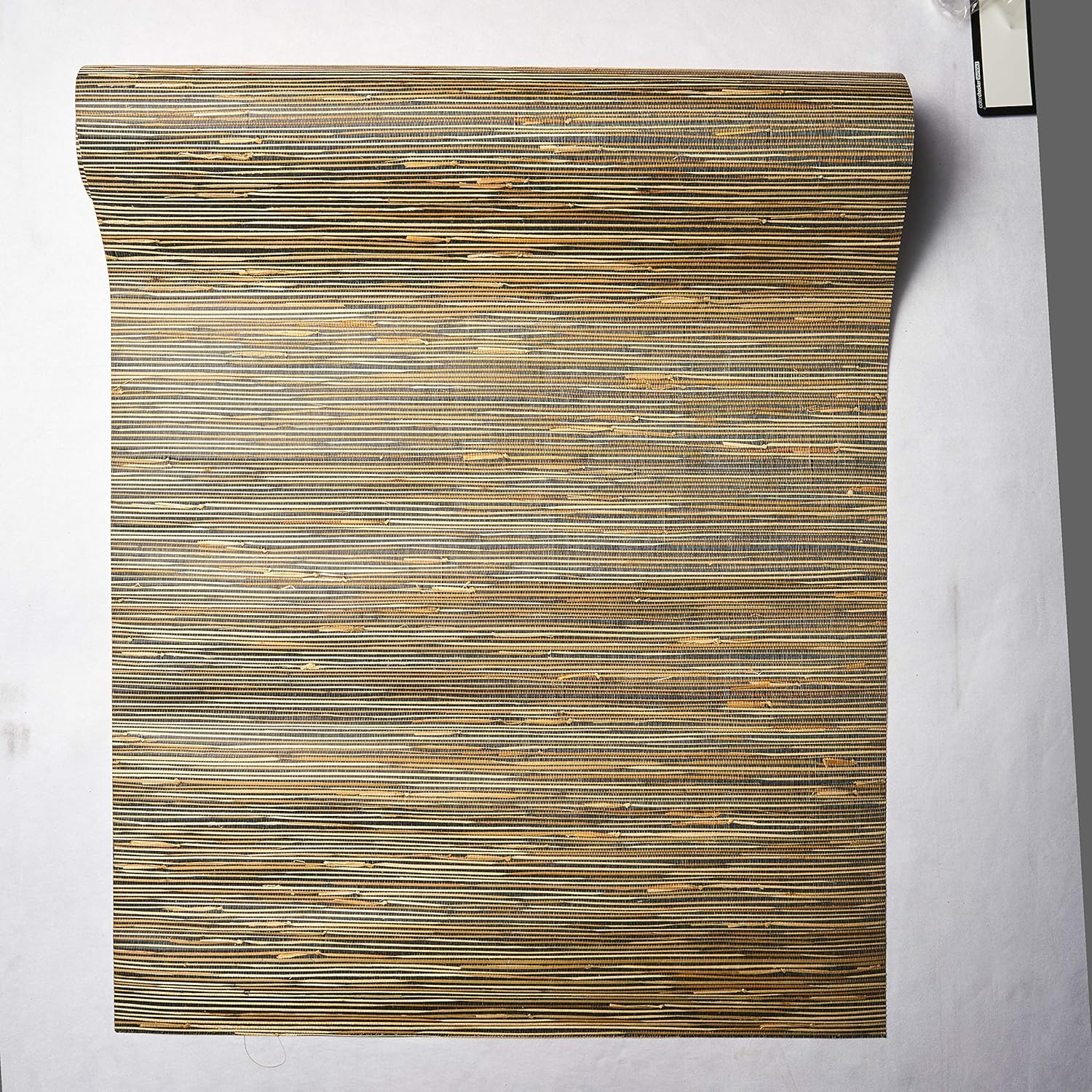
York
$144.95
In stock on Amazon
Check price on AmazonHead-to-Head: The Decision Matrix
| Factor | York | Kenneth James | Ansehan |
|---|---|---|---|
| Price range (per roll, trade) | $80–$130 | $120–$200 | $180–$300+ |
| Lead time | 1–2 weeks | 2–4 weeks | 8–12 weeks |
| Color options | Neutral-forward | Broad palette | Custom possible |
| Weave character | Fine, consistent | Medium, varied | Heavy, artisanal |
| Installer feedback | Very consistent | Generally positive | Positive, specialist |
| Best room fit | Dining, bedroom, entry | Bedroom, living room | Statement rooms, luxury |
The One Rule That Applies to All Three Brands
Before you finalize any grasscloth order — York, Kenneth James, Ansehan, or any other brand — order physical samples and evaluate them in the actual room at different times of day. This is not optional advice. Natural grasscloth reads completely differently in morning light versus evening lamplight, and the texture depth only becomes apparent on a full-size sample against your client’s actual wall color and flooring.
The Spruce’s installation guide “Grasscloth Wallpaper: Pros, Cons, and Installation Tips” and House Beautiful’s buyer coverage “Everything You Need to Know Before Installing Grasscloth” both make this point emphatically: no digital swatch, no monitor-calibrated color chip, and no showroom sample under showroom lighting substitutes for seeing the material in context. Architectural Digest’s guide echoes the same recommendation, specifically noting that raking-light seam visibility must be assessed in the client’s own room, not in a controlled retail environment.
Order the sample. Wait for the light to change. Then place the order — all rolls, same dye lot, with your overage built in from the start. That sequence is the difference between a project your client talks about admiringly for years and one you quietly hope no one asks about.