Peel-and-stick wallpaper is exactly what it sounds like: a self-adhesive wall covering printed on a flexible backing that you press onto the wall and can peel back off later without damaging the paint underneath. No paste, no steamer, no professional installer required in most cases. That’s a significant departure from traditional wallpaper, which is hung wet and is essentially permanent. For renters, first-time decorators, or anyone who wants to try a bold pattern without a multi-year commitment, peel-and-stick has moved from novelty to genuine design tool — and the category has matured enough that the brand you choose really does matter. In this guide, you’ll get a direct comparison of three names you’ll see stocked nearly everywhere: NextWall, RoomMates, and NuWallpaper. By the end, you’ll know exactly which one fits your project, your budget, and your wall.
What You’re Actually Comparing (The Variables That Matter)
Before stacking the brands head to head, it’s worth naming the performance dimensions that separate good peel-and-stick from frustrating peel-and-stick. These are the factors that show up repeatedly across aggregated reviews and published buying guides:
Substrate — the physical material the design is printed on. In peel-and-stick wallpaper, this is almost always either a thin vinyl, a thicker PVC-based film, or a fabric-backed vinyl. Thicker substrates tend to feel more premium, hide wall texture better, and reposition more forgivingly. Thinner films are lighter and cheaper but can tear at the seams during installation or show every bump in your wall.
Adhesion strength — how firmly the panel sticks to a painted wall, and how cleanly it releases. Too weak and panels slide or bubble; too aggressive and you risk pulling paint on removal. The ideal for a rental-safe product is what the industry calls a “repositionable” adhesive — strong enough to stay up for months or years, gentle enough to come down without drama.
Pattern repeat — the distance you have to offset each panel so that the printed design aligns across the seams. A 12-inch repeat on a 9-foot wall means more waste than a 4-inch repeat. This matters directly for your roll count and your budget.
Roll dimensions — peel-and-stick panels are typically sold in single rolls of 20.5 inches wide by either 16.5 feet or 18 feet long. Not all brands match on this, and a difference of a few feet per roll adds up quickly when you’re calculating coverage.
With those variables in mind, here’s how the three brands compare.
Brand-by-Brand Breakdown
NextWall: The Designer-Leaning Option in the Mass-Market Tier
NextWall occupies a deliberate middle ground. The brand’s pattern catalog skews toward current interior design trends — textured neutrals, grasscloth-look weaves, geometric linework, botanical prints — and the finished rolls genuinely look less “discount” than some competitors. Architectural Digest’s 2025 article “The Best Peel-and-Stick Wallpapers, According to Interior Designers” specifically calls out NextWall’s grasscloth-textured styles as a credible stand-in for the real thing at a fraction of the cost.
Substrate: NextWall rolls are printed on a mid-weight vinyl that is consistently described across multiple retail platforms as easier to handle than ultra-thin competitors — panels don’t crease as readily during unrolling. The texture embossing on their grasscloth-look patterns adds visual depth that reads well in photographs and in person.
Adhesion and removal: Owners consistently report clean removal from properly prepared painted walls. Flat paint is a known problem surface for any peel-and-stick brand — the adhesive can pull the paint layer off on removal. NextWall’s own product documentation recommends a primer coat on flat-painted walls before application. On eggshell and semi-gloss, reviewers describe a reliable, bubble-resistant bond that holds through seasonal humidity changes.
Pattern range and pricing: NextWall’s catalog runs wide — botanical murals, traditional damasks, modern geometrics, and a strong selection of faux-finish textures. Pricing on standard rolls sits in the $35–$65 per roll range for most patterns, making it one of the pricier options in this three-way comparison. The Spruce’s 2025 roundup “Best Peel-and-Stick Wallpaper of 2025” lists NextWall as a top recommendation for readers who want a design-forward result without ordering from a boutique brand.
Honest tradeoff: You’re paying for pattern quality and substrate feel. If aesthetics and visual credibility are the priority, NextWall earns its premium within this tier. If you need to cover a large wall on a tight budget, the per-roll cost adds up quickly.
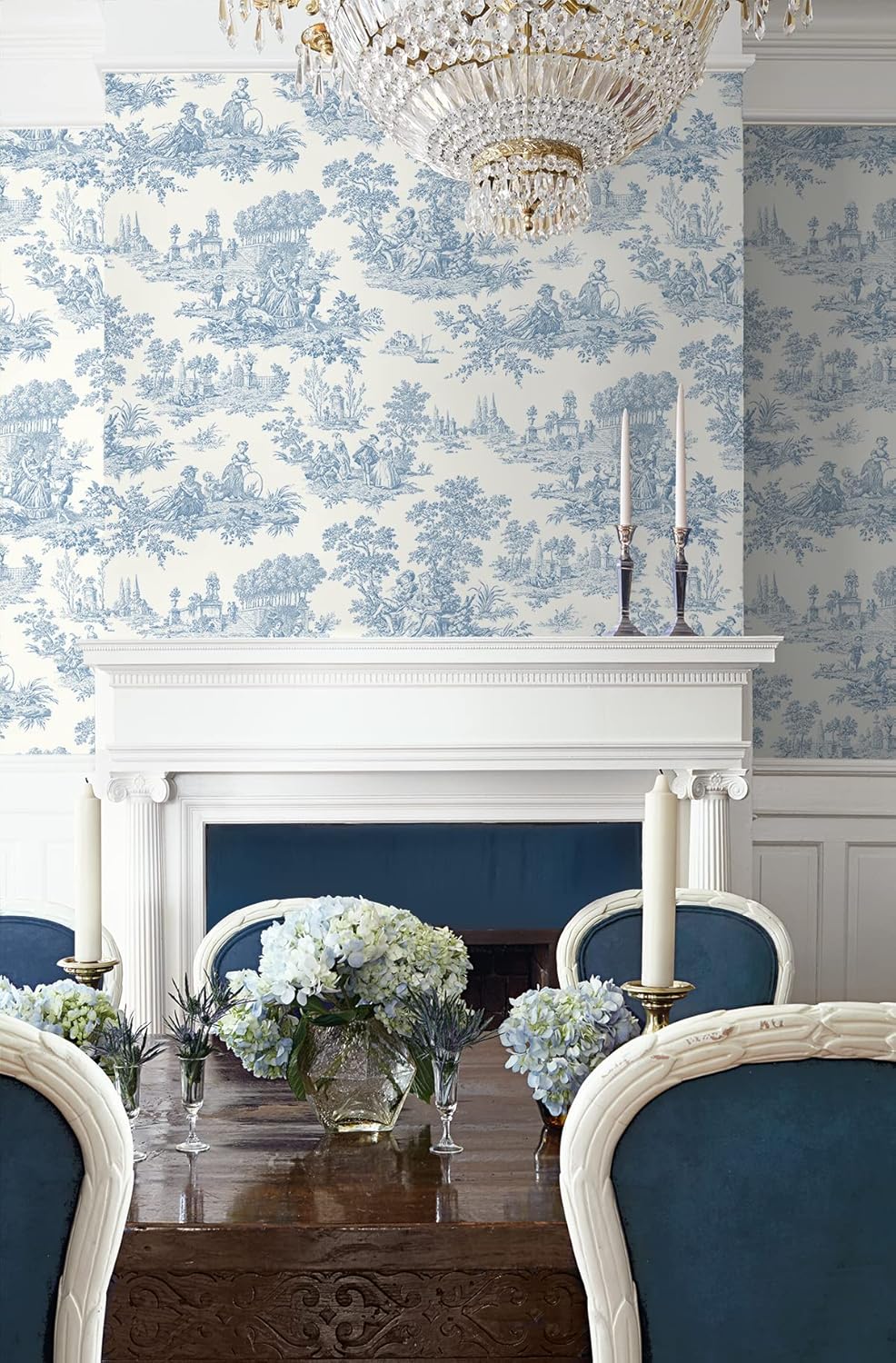
NextWall
$34.99
In stock on Amazon
Check price on AmazonRoomMates: Maximum Accessibility, Maximum Pattern Count
RoomMates is the brand most likely to show up in big-box stores, children’s room inspiration content, and dorm room makeover features — and that reputation is somewhat deserved, but it undersells what the brand actually offers. RoomMates has been in the removable wall decal and wallpaper business longer than most of its competitors, and that operational maturity shows in two specific areas: availability and pattern volume.
Substrate: RoomMates panels are thinner than NextWall’s on average — most spec comparisons and owner reviews describe a lighter-weight vinyl that is more flexible but less forgiving of wall texture. On smooth, well-prepared drywall, this is a non-issue. On textured or slightly rough walls, the thinner material conforms to the imperfections and seams can be more visible.
Adhesion and removal: House Beautiful’s 2024 article “The Best Peel-and-Stick Wallpapers to Refresh Any Room” notes that RoomMates panels are among the most widely reviewed products in the category, and aggregated owner feedback is consistently positive on repositionability — the adhesive is forgiving enough for beginners to line up seams without panic. Removal reviews are mostly positive with the same caveat that applies to any brand: flat paint is risky; properly cured latex in eggshell or satin is fine.
Pattern range and pricing: This is where RoomMates genuinely leads. Their catalog is enormous — thousands of SKUs spanning children’s themes, licensed character prints, farmhouse aesthetics, maximalist botanicals, and abstract color-blocking. For renters decorating a nursery or a kid’s room where whimsy matters more than substrate weight, this selection depth is hard to beat. Pricing is the lowest of the three brands: most standard rolls land in the $20–$40 per roll range, and frequent promotions push individual rolls below $20.
Honest tradeoff: RoomMates is the right pick when budget and pattern selection are the top priorities and you’re working with smooth, well-prepped walls. It’s the wrong pick if you’re trying to impress a client or stage a high-end rental — the lighter substrate reads as what it is up close.
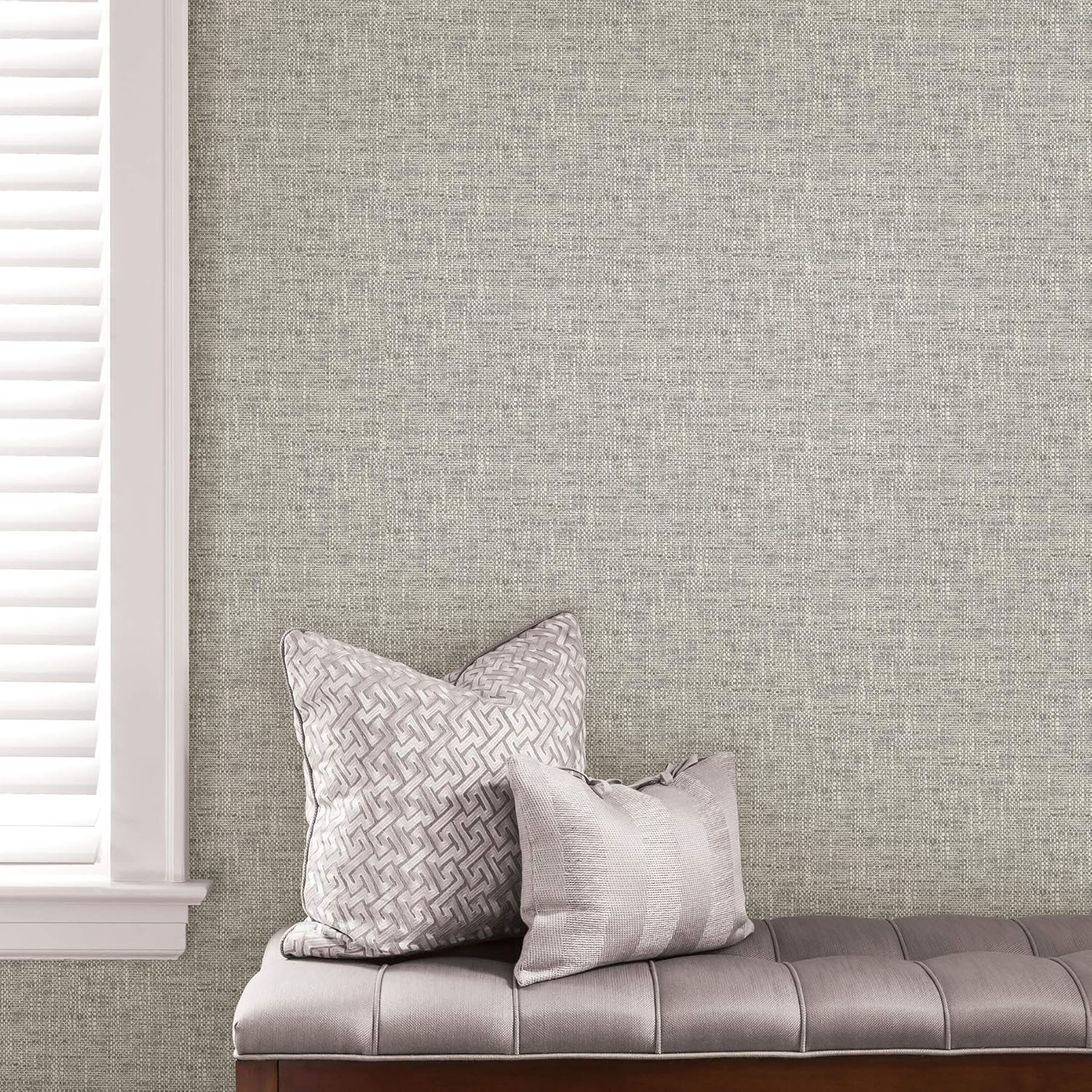
NuWallpaper
$29.92
In stock on Amazon
Check price on AmazonNuWallpaper: The Texture-and-Niche Specialist
NuWallpaper (sold under the NuWallpaper and Nu2 branding depending on the retailer) occupies an interesting lane: it over-indexes on faux-finish textures — shiplap, brick, tile, wood plank, concrete — that other brands offer but don’t commit to as deeply. If your project calls for a convincing material illusion rather than a printed pattern, NuWallpaper is the name that surfaces most consistently in editorial coverage.
Substrate: NuWallpaper’s textured products use an embossed vinyl substrate specifically engineered to simulate dimensional surface materials. The embossing depth on their shiplap and brick patterns is more pronounced than comparable SKUs from competitors — which is why Apartment Therapy’s 2025 article “The Best Peel-and-Stick Wallpapers We’ve Found for Every Budget” flags NuWallpaper’s faux-brick panels as a “genuinely convincing” alternative for renters who cannot do actual brick installation.
Adhesion and removal: Owner reviews are broadly consistent with the other two brands — clean removal from cured paint, occasional issues on flat or freshly painted walls. One pattern worth noting from aggregated reviews: NuWallpaper’s heavier embossed panels are slightly more prone to edge lifting in high-humidity rooms such as bathrooms. The brand does not claim bathroom suitability for most of its residential line, and that matches what owners report in practice.
Pattern range and pricing: Outside of the faux-finish category, NuWallpaper’s printed pattern catalog is narrower than both NextWall and RoomMates. Where they win is depth within texture SKUs — more colorways, more scales, and more realistic embossing than the competition. Pricing sits in the $25–$55 per roll range, slightly below NextWall but above RoomMates.
Honest tradeoff: If you need a shiplap accent wall in a rental apartment, NuWallpaper is the clearest answer in this tier. If you need a botanical print or a geometric for a living room, NextWall or RoomMates will offer a better selection at a competitive price.
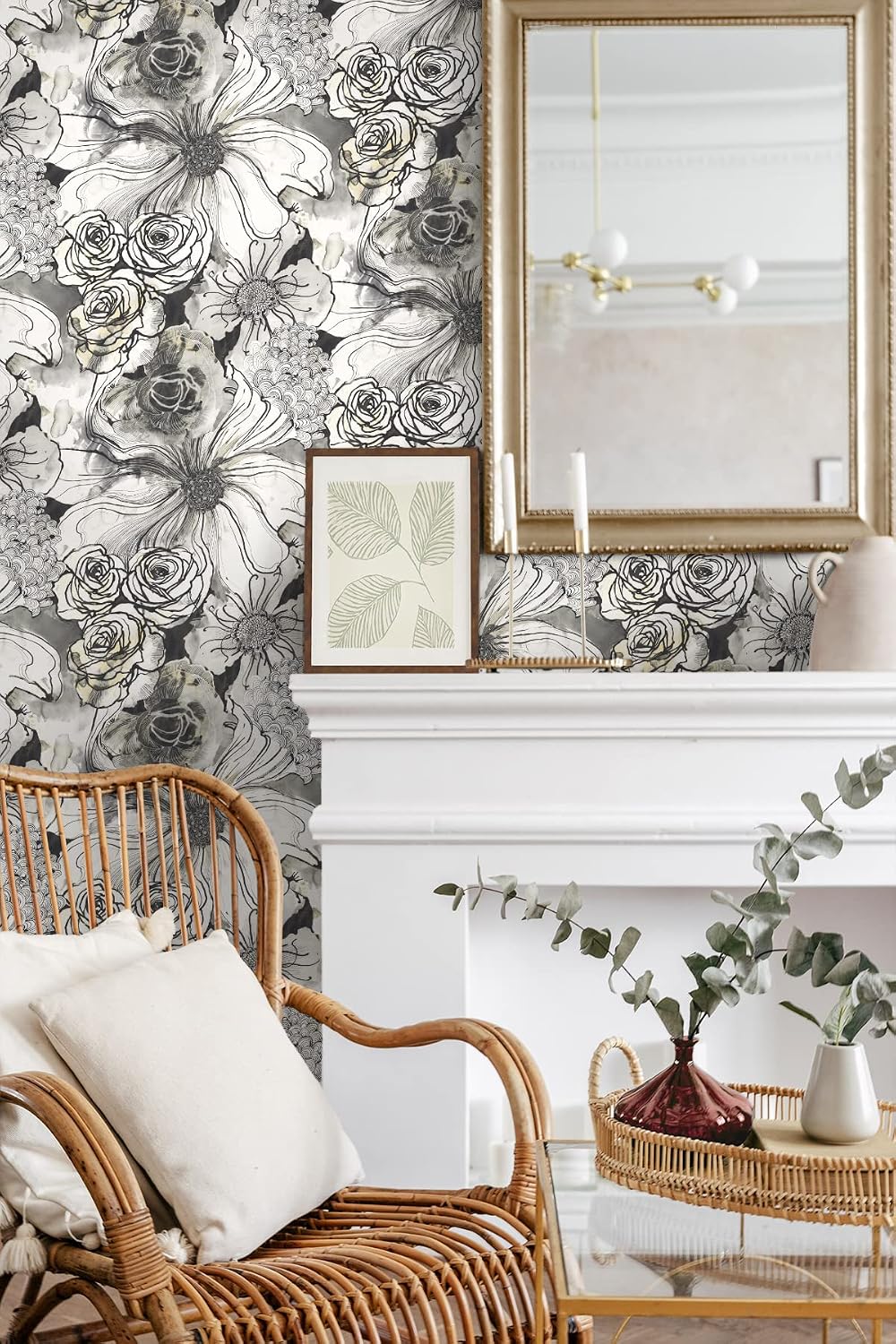
NextWall
$49.99
In stock on Amazon
Check price on AmazonSide-by-Side Summary
| Brand | Typical price/roll | Substrate weight | Best use case |
|---|---|---|---|
| NextWall | $35–$65 | Mid-weight vinyl | Design-forward prints, grasscloth looks |
| RoomMates | $20–$40 | Light vinyl | Budget coverage, large areas, novelty prints |
| NuWallpaper | $25–$55 | Mid-weight embossed vinyl | Faux texture (brick, shiplap, tile) |
Roll dimensions vary by SKU but most standard rolls across all three brands run approximately 20.5 in. wide × 16.5–18 ft. long. Verify dimensions at point of purchase — one roll of RoomMates at 16.5 ft. covers meaningfully less wall than one roll of NextWall at 18 ft.
The Decision Rules (If X, Then Y)
You’re approaching a purchasing decision, so here’s a direct framework:
If your wall is textured or you want maximum visual credibility, order NextWall. The mid-weight substrate handles imperfect walls better and the pattern quality photographs well if you’re staging or presenting to a client. Focus on NextWall’s grasscloth-look collection in the $40–$55 range for the best return on that investment.
If you’re covering a large area on a tight budget, RoomMates is the practical call. The lower per-roll cost matters when you’re ordering 10 or more rolls, and the repositionable adhesive is beginner-friendly enough that installation mistakes don’t become expensive. For nurseries and kids’ rooms specifically, no competitor in this tier matches their licensed and themed pattern depth.
If the design brief calls for faux material texture — shiplap, brick, concrete, tile — NuWallpaper is the specialist. Don’t use them for standard printed patterns; do use them when the illusion of a physical material is the point of the project.
Regardless of brand, order physical samples before you commit to rolls. Every brand in this tier sells samples for a few dollars. Color on a screen and color on a painted wall are genuinely different experiences, and dye lots — the slight color variations between production batches — mean a sample from one batch may not perfectly match the rolls you ultimately receive. Order your sample, live with it on the wall for 48 hours under your actual lighting conditions, then place your roll order.
When you calculate how many rolls to order: take your wall square footage, add 15–20 percent for pattern repeat waste and cutting, and round up to the next full roll. Under-ordering and running out mid-project — then discovering the next production batch is a slightly different shade — is one of the most avoidable sources of buyer’s regret in this category. The math is simple; skipping it is expensive.